From Tina Turner to Taylor Swift and Cher, This New Fashion Exhibition Celebrates the Power of the Diva

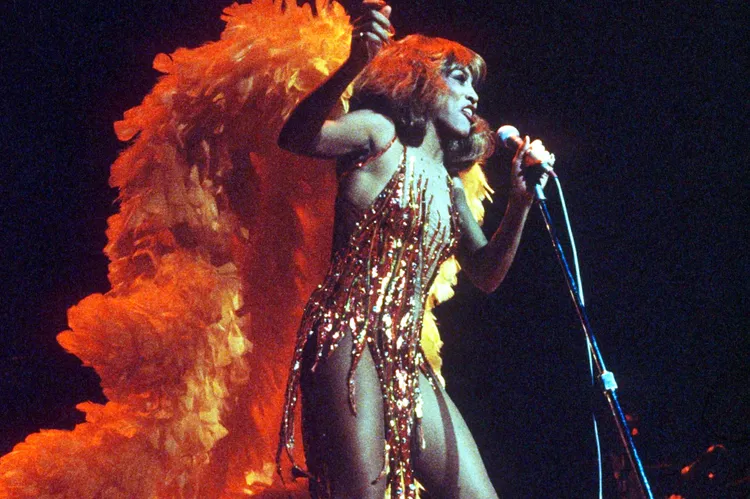
Charles Knight/Shutterstock/Denver Art Museum In 1977, as Tina Turner embarked on a solo career after leaving her abusive marriage and musical partnership with Ike Turner, she asked costume designer Bob Mackie to help define how the world would see her. His answer was the now-iconic “Flame Dress,” a sequined minidress worn with a fiery red-and-orange feathered cape. That act of self-invention is at the heart of DIVA , a new exhibition at the Denver Art Museum . According to curator Jill D’Alessandro, the ensemble evoked a “phoenix rising from the ashes.” The look embodied both the freedom Turner found onstage and the role clothing played in expressing it. “Stage costumes are about creating larger-than-life personas,” D’Alessandro says, “with the performers often adopting a character.” From left: Michael Ochs Archives/Getty Images; BobMackie On view from October 4 through January 31, 2027, DIVA celebrates the cultural impact of nearly 100 iconic performers through approximately 250 objects, including 58 costumes. Organized by London’s Victoria and Albert Museum , the exhibition is making its only U.S. stop in Denver . Moving across opera, stage, film, and popular music, it traces how extraordinary performers acquired influence—and how they chose to wield it. The word “diva” was originally associated with opera singers but acquired a more pejorative edge during Hollywood’s studio era, when female stars challenged the companies that controlled their careers. “The ‘diva’ tag, once denoting divine worship, had now become code for trouble,” D’Alessandro says. Calling a woman “demanding” could obscure what she was actually asking for: authority over her own work. “It was another way to undermine the creative and artistic power of female performers. Arranged in two acts, the exhibition traces that evolution through costume, from Marilyn Monroe’s fringed black dress worn in Some Like It Hot, to Rihanna’s papal-inspired Maison Margiela…
Charles Knight/Shutterstock/Denver Art Museum
In 1977, as Tina Turner embarked on a solo career after leaving her abusive marriage and musical partnership with Ike Turner, she asked costume designer Bob Mackie to help define how the world would see her. His answer was the now-iconic “Flame Dress,” a sequined minidress worn with a fiery red-and-orange feathered cape.
That act of self-invention is at the heart of DIVA , a new exhibition at the Denver Art Museum . According to curator Jill D’Alessandro, the ensemble evoked a “phoenix rising from the ashes.” The look embodied both the freedom Turner found onstage and the role clothing played in expressing it. “Stage costumes are about creating larger-than-life personas,” D’Alessandro says, “with the performers often adopting a character.”
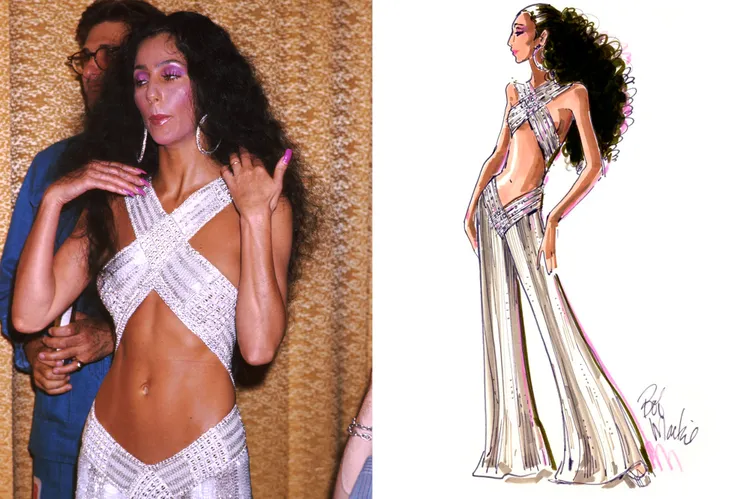
From left: Michael Ochs Archives/Getty Images; BobMackie
On view from October 4 through January 31, 2027, DIVA celebrates the cultural impact of nearly 100 iconic performers through approximately 250 objects, including 58 costumes. Organized by London’s Victoria and Albert Museum , the exhibition is making its only U.S. stop in Denver . Moving across opera, stage, film, and popular music, it traces how extraordinary performers acquired influence—and how they chose to wield it.
The word “diva” was originally associated with opera singers but acquired a more pejorative edge during Hollywood’s studio era, when female stars challenged the companies that controlled their careers. “The ‘diva’ tag, once denoting divine worship, had now become code for trouble,” D’Alessandro says. Calling a woman “demanding” could obscure what she was actually asking for: authority over her own work. “It was another way to undermine the creative and artistic power of female performers.
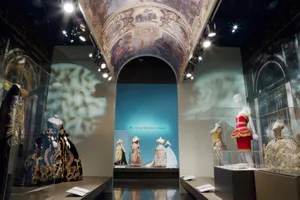
Arranged in two acts, the exhibition traces that evolution through costume, from Marilyn Monroe’s fringed black dress worn in Some Like It Hot, to Rihanna’s papal-inspired Maison Margiela ensemble by John Galliano for the 2018 Met Gala. Grace Jones, Prince, Janelle Monáe, and Lil Nas X carry that challenge to conventional ideas of gender and beauty into the present.
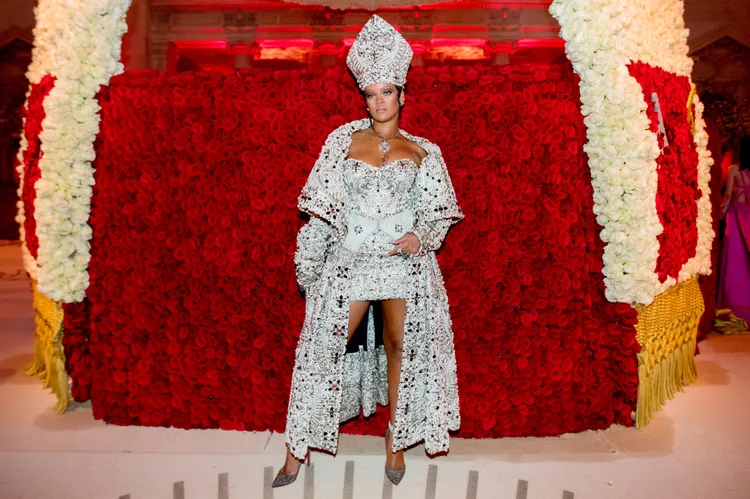
Kevin Tachman/Getty Images for Vogue
For the Denver edition, D’Alessandro expanded the original exhibition with film clips, photographs, and ephemera, while bringing greater visibility to Latina performers such as Peruvian soprano Yma Sumac, Mexican film star María Félix, Celia Cruz, and Selena Quintanilla. At the V&A, Dolly Parton was represented by a single doll; the Denver presentation adds two of her stage costumes, on loan from the Dolly Parton Archive.
May you like

In “Run the World,” a section connecting artistic achievement with business acumen and philanthropy, Parton is featured alongside Taylor Swift, Beyoncé, Rihanna, and Barbra Streisand.
Yet DIVA looks beyond individual stardom to ask what these performers owe one another. D’Alessandro points to the friendship between Cher and Turner, who encouragement from their shared experiences with controlling partners. In 1975, they performed “Shame, Shame, Shame” together on The Cher Show . The exhibition closes on that idea, with a gallery of Cher’s sequined costumes by Bob Mackie. Even the most singular diva does not create herself alone.