In 1981, Buck Owens began wandering through the offices on the Bakersfield block that carried his name. The studios were still working. His radio stations were still broadcasting. People had desks, calls and deadlines. Buck would sit with them for a while, then move to another room. Two years earlier, he had stopped recording. In 1980, he stopped touring. After decades of airports and late shows, he had expected to enjoy the freedom. He played golf, then tennis, then more golf. The empty hours kept coming. Buck later spoke plainly about that period: he had grown bored and deeply depressed. His wife Jennifer could see that retirement was wearing on him. At the offices, he sensed that the people around him could see it too. Owning a busy business was different from having work that required him to get up and meet a particular day. Late in 1985, he noticed a small advertisement seeking an investment partner for a local publication. Buck bought 51 percent of the business, then purchased the remaining 49 percent the following month. He turned the monthly publication into a weekly shopper delivered around Bakersfield. There was no stage in it for him. A shopper had to be filled, printed and sent out again whether its owner felt inspired or not. Buck took to the work with an energy that surprised him. In a 1987 interview, he called the publishing venture a lifesaver; by then, he said, the weekly was going to 110,000 homes. The familiar account of Buck’s quieter years usually runs from the loss of Don Rich to his eventual return alongside Dwight Yoakam. Both belong to his story. So do the years between them, when a man who had spent much of his life making records discovered that golf could not organize a week. By the time another generation was ready to hear Buck Owens sing again, Bakersfield households had already been receiving something from him every seven days.
FEATURE — THE YEARS BUCK OWENS NEEDED A DEADLINE The Offices on the Block Buck Owens did not disappear when he left the road. Bakersfield still had his studios and radio stations, and the people who worked in them still came through the doors each morning. Buck came through too. In his first major interview after years of declining them, he recalled going from office to office simply to sit. That detail gives his retirement a different shape from the usual account of a star stepping away. He had built a place full of activity. For a time, he could not find his own place in its working day. Golf Every Day Buck had reason to want the rest. He had spent years traveling, performing and working on Hee Haw . In 1979 he stopped recording; in 1980 he stopped touring. He imagined days for golf, tennis and racquetball. He tried them. The difficulty was not that he had failed to earn his leisure. He had earned more of it than most people ever could. But playing whenever he wished did not replace having somewhere he was needed at a certain hour. He later described that stretch as one of boredom and depression. A Station He Could Switch Off There was another oddity in his Bakersfield life: Buck owned country radio stations but, for a period, did not like much of the country music they played. He said he left programming decisions to the people running them. Listener research favored a smoother sound than the hard-edged records on which he had made his name. He could turn off the radio; he could not expect a station to serve only his taste. That restraint made business sense. It also left him near music without giving him the daily work of making…
FEATURE — THE YEARS BUCK OWENS NEEDED A DEADLINE
The Offices on the Block
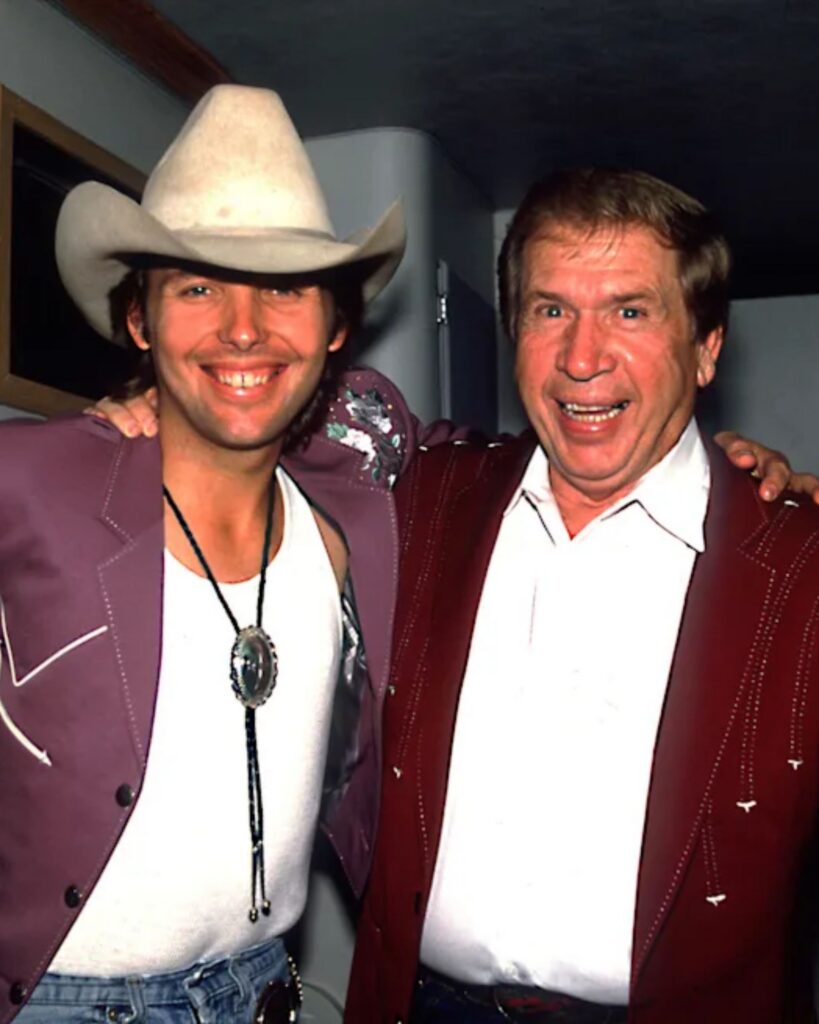
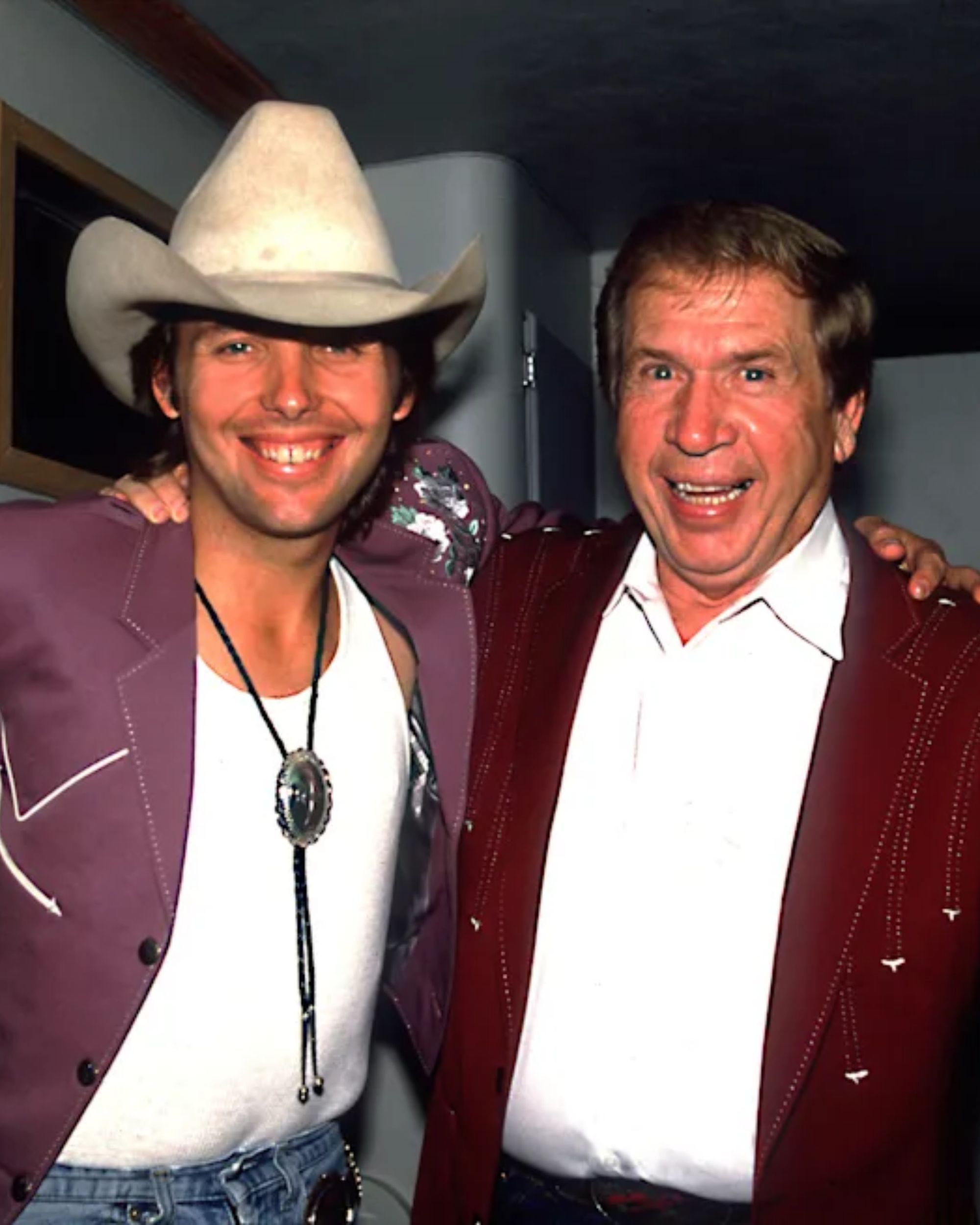
Buck Owens did not disappear when he left the road. Bakersfield still had his studios and radio stations, and the people who worked in them still came through the doors each morning. Buck came through too. In his first major interview after years of declining them, he recalled going from office to office simply to sit.
That detail gives his retirement a different shape from the usual account of a star stepping away. He had built a place full of activity. For a time, he could not find his own place in its working day.
Golf Every Day
Buck had reason to want the rest. He had spent years traveling, performing and working on Hee Haw . In 1979 he stopped recording; in 1980 he stopped touring. He imagined days for golf, tennis and racquetball.
He tried them. The difficulty was not that he had failed to earn his leisure. He had earned more of it than most people ever could. But playing whenever he wished did not replace having somewhere he was needed at a certain hour. He later described that stretch as one of boredom and depression.
A Station He Could Switch Off
There was another oddity in his Bakersfield life: Buck owned country radio stations but, for a period, did not like much of the country music they played. He said he left programming decisions to the people running them. Listener research favored a smoother sound than the hard-edged records on which he had made his name. He could turn off the radio; he could not expect a station to serve only his taste.
That restraint made business sense. It also left him near music without giving him the daily work of making it. A guitar remained close at hand, but he told the Los Angeles Times that he seldom touched it during those years.
Near the end of 1985, an advertisement asking for an investment partner in a small publication caught his eye. Buck first bought a controlling share, then the rest. He and his staff expanded it from monthly to weekly.
The choice was less glamorous than a return to the studio and more demanding than another investment left for someone else to manage. A weekly paper required fresh work the next week, and the next. Buck had problems to solve again. Asked about it in 1987, he said the new business had helped pull him through.
The People Who Kept Working
Buck’s longtime colleague Jim Shaw later described an operation that extended well beyond recording: stations, publications, real estate and other businesses. Shaw also pointed to the employees who stayed for decades. That is an important part of the block Buck walked through. The desks were occupied by people whose work did not pause when his performing career did.
Publishing gave Buck another role among them. Its reach could be counted not in ticket holders but in households on a delivery route. By 1987, he said, the shopper went to 110,000 Bakersfield homes.
When the Guitar Came Back
Dwight Yoakam’s invitation and the renewed interest in Buck’s sound eventually drew him back toward performing. That return is often told as though the missing years had simply been spent waiting for it. Buck’s own account suggests otherwise. He had changed the daily arrangement of his life before he resumed making records.
He could later choose which shows were worth doing and leave the long tours behind. The weekly publication had given him something useful during a period when neither a full comeback nor an empty calendar suited him.
May you like

What Buck Owens Really Leaves Behind
Jim Shaw remembered the scope of Buck’s businesses, but also the people still working in the building years later. Buck himself remembered how it felt to walk into their offices without much to do. Somewhere between those two recollections sits the small ad he answered in 1985: an invitation to take on work that would need doing again the following week.
Video