TC.AU.”NATALIE BARR TEARS”: Sunrise Host Breaks Down Over Painful Family Secret – tan
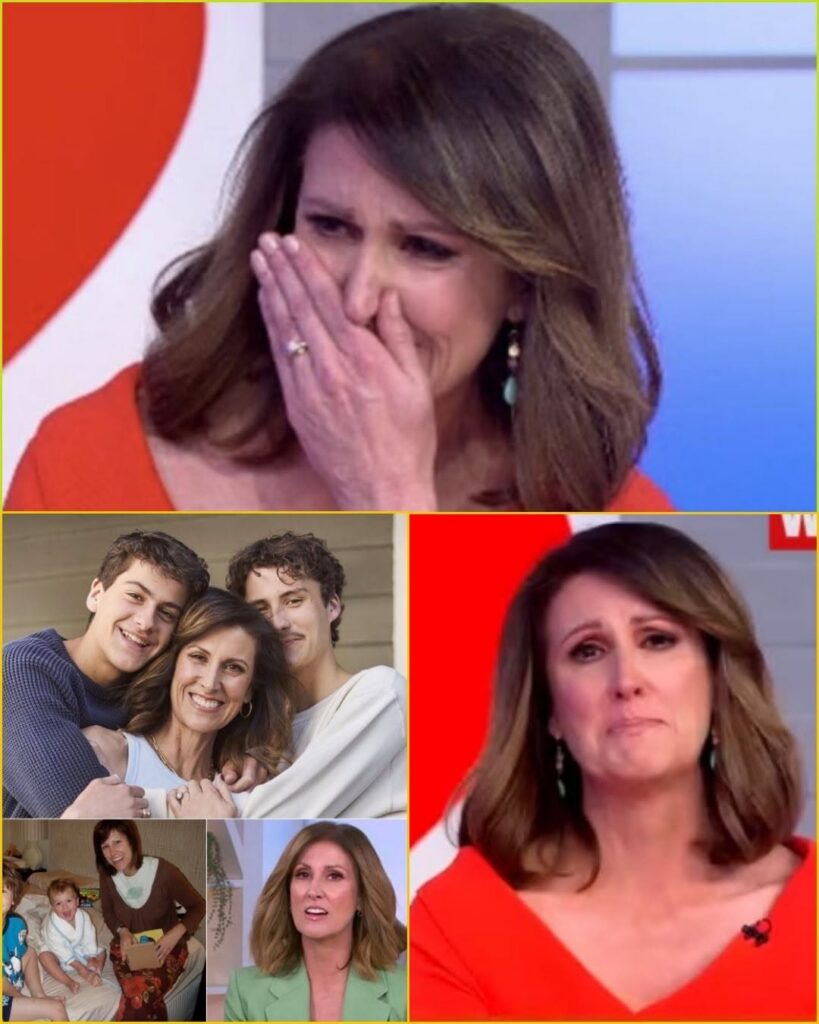
The emotional conflict is familiar to many parents. They want their children to become independent, successful adults, but independence also means the end of a particular chapter of family life. The child who once needed help with almost everything eventually becomes someone who has their own plans, university, work, relationships and home. Barr has openly admitted how difficult that transition has been for her. In 2023, she became emotional while talking about Hunter’s final school milestones. She shared a photograph before his Year 12 speech night and wrote about how quickly childhood seemed to pass. The occasion was important, but it also represented another step toward the moment when her children would no longer need her in the same way. For Barr, these experiences appear to have produced a mixture of pride and grief. She is proud of the young men her sons have become, but she has also acknowledged that she misses the ordinary family life that once seemed so permanent. In later reflections, she spoke about how different life becomes once children move away. There are fewer early-morning sporting commitments, fewer family routines and fewer spontaneous moments around the house. The irony is that parents often spend years wishing for more time and freedom, only to discover that when those responsibilities disappear, they miss them. Barr has described that emotional contradiction with remarkable honesty. Her story also reveals how difficult motherhood was during the earliest years. In another interview, Barr recalled struggling after the birth of her first son, Lachlan. She was exhausted, sleep-deprived and worried that she was failing as a mother. She has described feeling overwhelmed by the experience and eventually seeking help with her baby’s sleeping problems. Those memories are significant because they show that Barr’s emotional connection to her children did not suddenly appear…
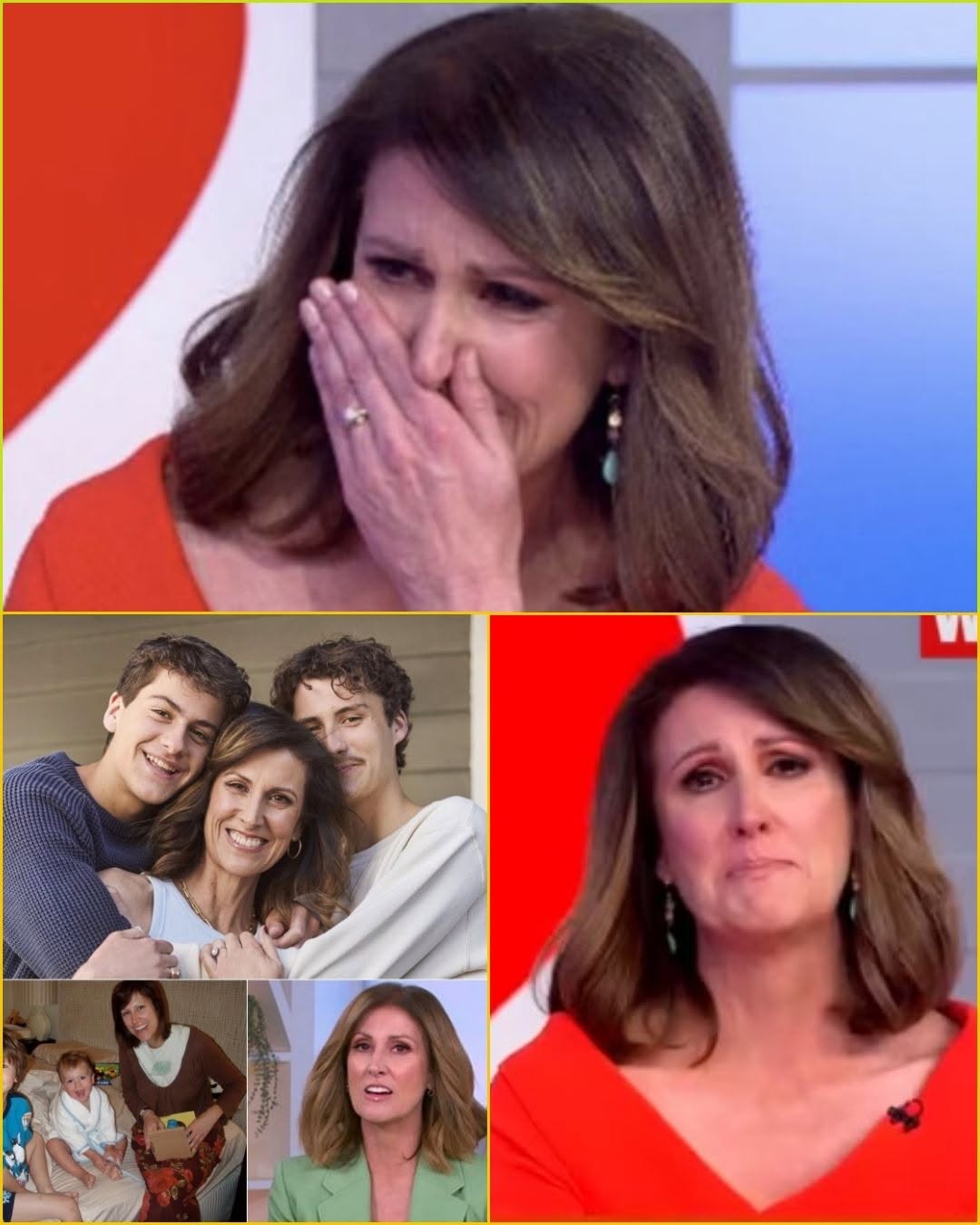
The emotional conflict is familiar to many parents. They want their children to become independent, successful adults, but independence also means the end of a particular chapter of family life.
The child who once needed help with almost everything eventually becomes someone who has their own plans, university, work, relationships and home.
Barr has openly admitted how difficult that transition has been for her.
In 2023, she became emotional while talking about Hunter’s final school milestones. She shared a photograph before his Year 12 speech night and wrote about how quickly childhood seemed to pass.
The occasion was important, but it also represented another step toward the moment when her children would no longer need her in the same way.
For Barr, these experiences appear to have produced a mixture of pride and grief.
She is proud of the young men her sons have become, but she has also acknowledged that she misses the ordinary family life that once seemed so permanent.
In later
reflections, she spoke about how different life becomes once children move away. There are fewer early-morning sporting commitments, fewer family routines and fewer spontaneous moments around the house.
The irony is that parents often spend years wishing for more time and freedom, only to discover that when those responsibilities disappear, they miss them.
Barr has described that emotional contradiction with remarkable honesty.
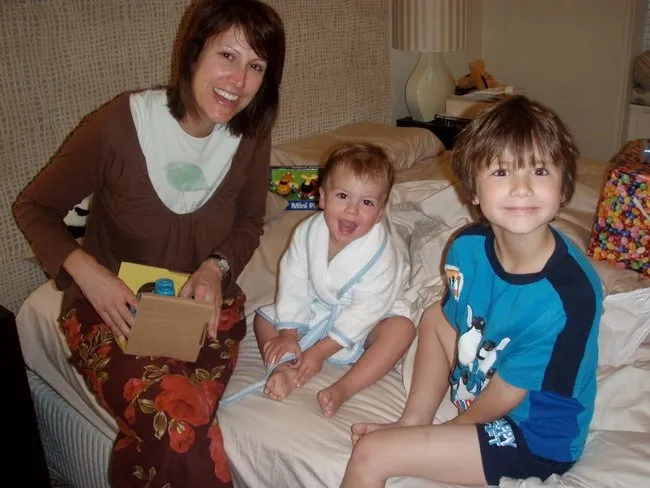
Her story also reveals how difficult motherhood was during the earliest years. In another interview, Barr recalled struggling after the birth of her first son, Lachlan. She was exhausted, sleep-deprived
and worried that she was failing as a mother. She has described feeling overwhelmed by the experience and eventually seeking help with her baby’s sleeping problems.

Those memories are significant because they show that Barr’s emotional connection to her children did not suddenly appear when they became adults. It has been present throughout her entire journey as a mother.
There were difficult nights, impossible decisions and moments when she questioned whether she was doing enough.
There were also countless beautiful moments.
Barr once explained that her husband Andrew Thompson and their boys were her priority, despite her demanding career. She was determined to be present for her children whenever possible. Her
early-morning television schedule actually allowed her to return home during the day, giving her a rare opportunity to combine a high-profile career with substantial time with her family.
That balance became part of her identity.
Today, Lachlan and Hunter are no longer little boys. They have entered adulthood, and Barr has had to adjust to a completely different relationship with them. She can still be their mother, but she cannot protect them from every challenge or make every decision for them.
That can be one of the hardest lessons for a parent.
During a 2026 Sunrise Mother’s Day special, Barr again became visibly emotional while speaking with her own mother, Julie, about children growing up and leaving home.
Julie told her daughter
that one of the hardest parts of motherhood is watching children become adults and move away. The subject clearly resonated with Barr because she was experiencing exactly that transition herself.
The moment was not about a mysterious hidden scandal.
It was about something much more universal: letting go.
Barr’s emotional reaction demonstrated how deeply the subject still affects her. Her mother was effectively speaking to her not only as a daughter but also as a fellow parent who understood what Barr was experiencing.
That conversation became particularly poignant because Barr has spent much of her public career interviewing other people about their most difficult moments. On television, she is normally the person asking the questions. She is expected to remain composed, informed and professional.
But when the subject turns to her own family, that professional distance can disappear.
Her emotions become much harder to hide.
This is perhaps why viewers respond so strongly whenever Barr discusses motherhood. They are seeing the person behind the presenter. Instead of the confident television journalist who appears on screen every morning, they see a mother reflecting on decades of memories and wondering how the years disappeared so quickly.
There is also an important lesson in Barr’s story.
A parent can be incredibly proud of their children and still feel heartbroken when they leave home.
Those emotions are not contradictory.
You can celebrate your child’s independence while secretly wishing you could return to the days when they were small enough to need you constantly. You can know that growing up is exactly what you wanted for them while simultaneously grieving the childhood that cannot be repeated.
Barr has repeatedly spoken about that emotional transition, making it one of the most relatable parts of her public life.
So while the dramatic claim that she revealed a secret involving her sons should not be treated as confirmed fact, the underlying story of Barr’s emotional struggle is very real.
Her public reflections show a woman confronting one of the most difficult stages of parenthood: accepting that the children you devoted so much of your life to are now adults.
For viewers, perhaps the most touching part is that there is no perfect solution.
There is no way to stop time.
There is no way to return to the first day of school, the childhood sporting events, the noisy mornings or the ordinary family dinners that once seemed endless.
Those moments simply become memories.
And for Barr, those memories appear to mean everything.
Her tears are therefore less about regret than love. They reflect the strange pain of realizing that something beautiful has changed forever.
May you like


Her sons are growing up.
She has done her best to guide them.
And now, like so many parents before her, she has to learn how to love them from a little farther away.
That may be the real story behind the emotion surrounding Natalie Barr: not a hidden scandal, not an unconfirmed family secret, but a mother confronting the passage of time and
realizing that the hardest part of raising children can sometimes be watching them no longer need you in quite the same way.