Tane misses home. Mackenzie’s caught out. Remi waits for results.

Tane is finding it increasingly difficult to ignore the ache of homesickness, as memories of the people and places he left behind begin to weigh heavily on his mind. Although he has been trying to concentrate on the challenges in front of him, the distance between his current life and the home he longs for is becoming impossible to overlook. There is a particular kind of loneliness that comes from being surrounded by people yet feeling disconnected from everything familiar, and Tane is discovering just how deeply that feeling can cut. Everyday moments unexpectedly remind him of what he is missing, whether it is the comfort of familiar surroundings, the reassurance of family or the simple pleasure of knowing exactly where he belongs. At first, he may have convinced himself that keeping busy would make the longing easier to manage. If he focused on the present and refused to dwell on the past, perhaps the ache would eventually fade. But homesickness is rarely so easily defeated. The more Tane tries to push his feelings aside, the more he becomes aware of the emotional distance he is carrying. Even the strongest people can struggle when the things that normally ground them are suddenly out of reach, and Tane is no exception. His pride may make it difficult to admit how much he misses home, particularly if he feels that others expect him to remain composed and get on with his life. Yet beneath that determination lies a man who wants the comfort of familiar faces and the freedom to be himself without having to explain what he is feeling. The question is whether Tane will allow himself to acknowledge that vulnerability or continue pretending that everything is fine. Reaching out to the people he misses could offer some relief, but it…
Tane is finding it increasingly difficult to ignore the ache of homesickness, as memories of the people and places he left behind begin to weigh heavily on his mind. Although he has been trying to concentrate on the challenges in front of him, the distance between his current life and the home he longs for is becoming impossible to overlook. There is a particular kind of loneliness that comes from being surrounded by people yet feeling disconnected from everything familiar, and Tane is discovering just how deeply that feeling can cut. Everyday moments unexpectedly remind him of what he is missing, whether it is the comfort of familiar surroundings, the reassurance of family or the simple pleasure of knowing exactly where he belongs. At first, he may have convinced himself that keeping busy would make the longing easier to manage. If he focused on the present and refused to dwell on the past, perhaps the ache would eventually fade. But homesickness is rarely so easily defeated. The more Tane tries to push his feelings aside, the more he becomes aware of the emotional distance he is carrying. Even the strongest people can struggle when the things that normally ground them are suddenly out of reach, and Tane is no exception. His pride may make it difficult to admit how much he misses home, particularly if he feels that others expect him to remain composed and get on with his life. Yet beneath that determination lies a man who wants the comfort of familiar faces and the freedom to be himself without having to explain what he is feeling. The question is whether Tane will allow himself to acknowledge that vulnerability or continue pretending that everything is fine. Reaching out to the people he misses could offer some relief, but it might also intensify his desire to return. Staying where he is, meanwhile, means confronting the reality that home cannot simply be recreated wherever he happens to find himself. As the longing grows stronger, Tane faces an emotional crossroads: he must decide whether to keep burying his feelings or accept that missing home is not a weakness, but a reminder of the connections that matter most. Whatever he chooses, one thing is becoming increasingly clear: the distance he feels is not merely physical, and finding his way forward may require more honesty with himself than he has been prepared to show. While Tane struggles with the pull of home, Mackenzie finds herself facing an altogether different problem when circumstances threaten to expose something she would rather have kept hidden. Being caught out can be uncomfortable under any circumstances, but the consequences become far more serious when other people’s trust, expectations and feelings are involved. Mackenzie has always had to navigate the delicate balance between protecting her independence and maintaining the relationships that matter to her. Now, that balance appears to be slipping away, leaving her with fewer opportunities to control how the situation unfolds. What may have seemed manageable when she believed she could keep everything under wraps suddenly takes on a different significance when the possibility of exposure becomes real. The most frightening part is not necessarily that someone has discovered the truth, but that Mackenzie can no longer determine what happens next. She must face the uncomfortable prospect that people may begin questioning her motives, reconsidering what they thought they knew about her and wondering whether there is more to the story than she has admitted. Even if she believes she had good reasons for her actions, explaining herself may not be as straightforward as she hopes. Intentions and consequences are not always the same, and an explanation that makes perfect sense in her own mind might sound entirely different to someone who feels misled. As the pressure mounts, Mackenzie must decide how to respond. Will she attempt to defend herself, hoping that the circumstances can be explained away, or will she acknowledge what has happened and accept the consequences? Either choice carries risks. A defensive response could make others believe she is refusing to take responsibility, while an honest admission might force her to confront uncomfortable questions she has been avoiding. There is also the possibility that the damage extends beyond the immediate situation, affecting relationships that have taken time and effort to build. Mackenzie may be tempted to regain control by saying only what she believes others need to hear, but such an approach could deepen the problem if further details emerge. The harder she tries to manage everyone’s perception of her, the more difficult it may become to establish where the truth begins and the excuses end. For now, she is left facing a moment that demands more than quick thinking or a carefully worded explanation. It demands a decision about the kind of person she wants to be when the pressure is on. Being caught out may be humiliating, but what Mackenzie does next could ultimately matter far more than the mistake or secret that brought her here. For Remi, however, the uncertainty is far more personal, as the wait for results leaves him suspended between hope and fear. Waiting for important medical results can be an exhausting experience, not because anything has necessarily been confirmed, but because the mind struggles to tolerate a question that has yet to be answered. Every passing hour seems to offer another opportunity for worry to take hold, while the absence of definitive information leaves Remi unable to prepare himself for what might come next. He may try to carry on as normal, keeping conversations light and maintaining his usual routines, but the looming uncertainty remains in the background, quietly influencing everything he does. Even the smallest distraction can provide only temporary relief before his thoughts return to the results and what they might mean for his future. There is a cruel imbalance in this situation: Remi must live with the emotional consequences of the waiting period without yet having the information that could help him understand what lies ahead. He may find himself replaying conversations, recalling symptoms or wondering whether there were signs he should have noticed earlier. Such thoughts can be difficult to escape, particularly when the mind begins searching for patterns or explanations that may not actually provide any answers. Hope can be a source of strength, but it can also make uncertainty more complicated, because allowing himself to imagine a positive outcome means confronting the possibility of disappointment. Fear, meanwhile, may encourage him to prepare for the worst, even though there is no guarantee that the worst will happen. Remi is caught between these competing instincts, trying to remain steady while knowing that the next piece of information could change the way he sees everything. The people around him may want to offer reassurance, but finding the right words is not always easy. Telling someone not to worry rarely makes the worry disappear, and promising that everything will be fine can feel hollow when nobody knows what the results will reveal. What Remi needs most may be the freedom to acknowledge his fear without feeling that he must protect others from it. He should not have to pretend to be fearless simply because the people who care about him are frightened, too. Until the results arrive, he must find a way to endure the uncertainty one moment at a time, holding on to whatever steadiness he can find while resisting the urge to treat unanswered questions as confirmed bad news. Although Tane, Mackenzie and Remi are dealing with very different circumstances, their stories share a common thread: each is facing a situation in which emotions are difficult to control and the next step is far from certain.
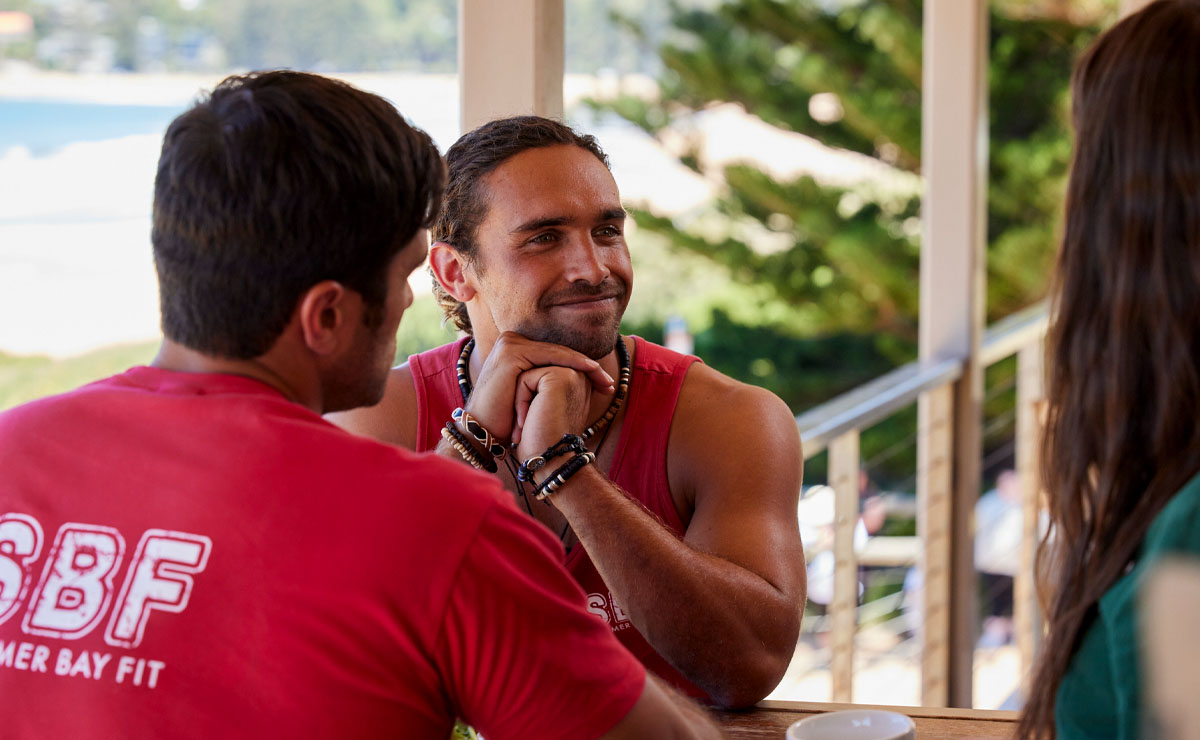
Tane is struggling with a longing that cannot be solved simply by keeping himself occupied. Mackenzie is confronting the consequences of being caught out, with the uncomfortable realisation that she may no longer be able to dictate how others see her. Remi, meanwhile, is waiting for information that could have profound implications for his sense of security and his plans for the future. Their experiences reveal how vulnerable people can feel when the familiar structures of their lives begin to shift. For Tane, the challenge is to accept that missing home does not mean he has failed to adapt. He can appreciate the life he has in the present while still feeling a powerful connection to the place he left behind. For Mackenzie, the challenge is more immediate: she must determine whether protecting her pride is worth the potential cost to her relationships. If trust has been shaken, rebuilding it may require patience, openness and a willingness to accept that forgiveness cannot be demanded. Remi’s challenge is different again, because he cannot force the answers to arrive any sooner. He must endure the waiting period without allowing fear to consume every part of his day. These are not easy lessons, and none offers an instant resolution. In their own ways, all three are being asked to confront the limits of their control. Tane cannot simply switch off his longing, Mackenzie cannot guarantee how others will react, and Remi cannot know what the results will say before they arrive. Yet recognising those limits may also offer a way forward. Tane can reach for meaningful connections rather than hide his feelings. Mackenzie can choose honesty over further concealment. Remi can allow trusted people to stand beside him rather than shoulder every anxious thought alone. Such choices cannot erase their problems, but they may help each of them face the coming days with greater clarity and resilience. In a world where uncertainty can make even ordinary moments feel overwhelming, the willingness to be honest about fear, regret and longing can become a powerful source of strength. As the pressure builds, the question is no longer simply how Tane will cope with missing home, how Mackenzie will respond to being caught out or what Remi’s results will reveal. The deeper question is how each of them will respond when the emotions they have been trying to manage can no longer be pushed aside. Tane may discover that his longing forces him to reconsider what home truly means and whether the distance he feels is something he can bridge without abandoning the life he has built elsewhere. He may also come to understand that admitting how much he misses familiar people is not an admission of defeat, but an honest recognition of what gives his life meaning. Mackenzie faces a reckoning of her own. Once the immediate shock of being exposed subsides, she will have to decide whether she is prepared to face difficult conversations and accept responsibility for her actions. The temptation to protect herself may be strong, especially if she fears losing someone’s trust, but avoiding the truth could leave her trapped in a cycle of explanations and suspicion. Remi’s future remains less predictable. Until the results arrive, hope and anxiety will continue to compete for space in his mind, and those who care about him may find themselves sharing the emotional burden of the wait. Whatever the outcome, he deserves support that does not depend on him remaining positive or reassuring everyone else.
May you like


There is no guarantee that these stories will resolve neatly, and that uncertainty is precisely what makes them so compelling. Life rarely provides answers at the moment people most desperately want them. Sometimes the only choice is to keep going, to make the best decision possible with the information available and to trust that difficult feelings can be faced without allowing them to define everything. Tane’s homesickness, Mackenzie’s uncomfortable exposure and Remi’s anxious wait each place a different kind of pressure on the heart, testing resilience in ways that others may not immediately recognise. Their paths forward may involve difficult conversations, unexpected revelations and moments when the strength to carry on feels frustratingly small. Yet each also has the opportunity to discover something important: that vulnerability can open the door to connection, accountability can become the beginning of change, and uncertainty does not have to destroy hope. As their situations unfold, the emotional stakes will remain high, because the answers they seek are not merely about where they belong, what others believe or what a medical report contains. They are about how they will live with the truth when it finally arrives, and whether they can find the courage to face whatever comes next.