In 1989, Waylon Jennings began studying for his high school equivalency exam on his tour bus. When he struggled with the math, his young son Shooter helped him. Waylon had been telling the boy that education mattered. Eventually, he became uncomfortable with the unfinished business behind his own advice. He had left school decades earlier, and a successful recording career had never changed his opinion of that decision. Now he was asking his son to finish something he had walked away from himself. Recovering from heart surgery gave him time to think about it. In a later interview, he explained that the lectures had begun to feel like words he had not earned. So he enrolled in Kentucky Educational Television’s GED program and worked through the lessons. Fractions and algebra brought a reversal neither a concert audience nor a record company would normally see: Waylon needed help, and Shooter had something to teach him. Waylon’s account, Phoenix New Times He passed the examination in December 1989. The certificate followed in 1990. At fifty-two, the achievement belonged beside a career’s worth of honors, although it had required a kind of work his audience had never bought a ticket to watch. Contemporary report, Los Angeles Times The decision also belonged to a larger effort at home. Waylon spoke openly about having been too occupied with making a living and becoming successful when his older children were growing up. He could not recover those years. With Shooter, he was trying to pay closer attention while there was still time. By 1993, he was visiting schools, speaking about education, and performing for children—including his son’s classmates. He wore a ring from Littlefield High School, the Texas school he had left. Those classroom visits gave his old advice a different weight. When Waylon asked children to stay in school, he could tell them where he had struggled, who had helped him, and how long he had waited. Shooter had heard the advice at home. He had also helped his father do the homework.
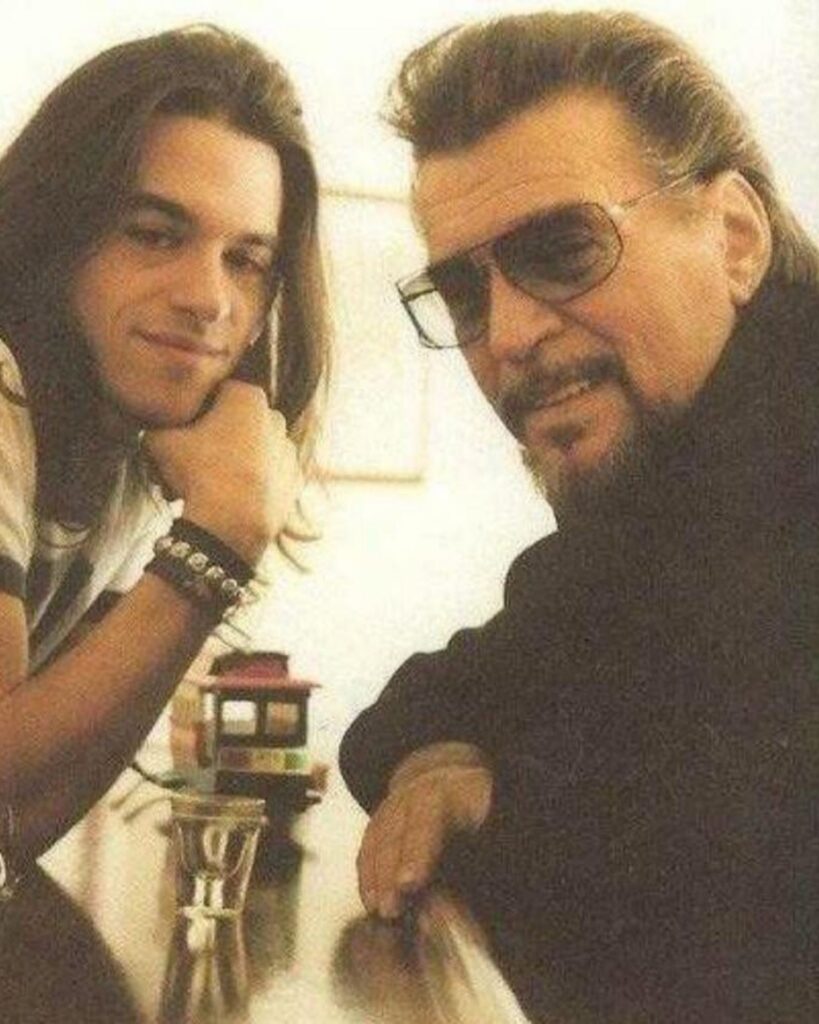
WAYLON JENNINGS, SHOOTER, AND THE WORK OF STARTING AGAIN A Father’s Unfinished Education Waylon’s explanation for returning to his studies was unusually direct. He disliked telling Shooter to value something while leaving his own failure to finish untouched. His fame offered plenty of material for an argument that school had been unnecessary. Waylon declined to make that argument. Looking back, he regarded leaving as a mistake, even after music had given him a living far beyond anything his younger self could have expected. Passing the examination would not revise that early decision. It would give him a way to act on what he now believed. Phoenix New Times interview Lessons That Could Travel KET’s study-at-home approach made education available outside a conventional classroom. The broadcaster had launched its second-generation GED series and home-study initiative in 1985. For an adult whose working life involved travel, recorded instruction offered a practical route back. KET’s institutional history Waylon studied aboard the bus. The account leaves no elaborate scene of a midnight revelation, only the ordinary machinery of catching up: lessons, material to understand, and an examination still to pass. A Bus Was Familiar Ground For Shooter, the road had been part of family life long before homework entered the picture. He later remembered traveling with his parents before he started school, then joining them during summers. He remembered sleeping on the bus and hearing the shows. Concerts were so closely associated with childhood bedtime that, as an adult, he joked about becoming sleepy at performances. That background makes the educational episode less like an unlikely meeting between a celebrity and a child. This was their family’s working environment. Within it, the younger Jennings briefly knew more about the problem in front of them. Shooter’s interview, Country Music Dads What Success Had Taken In…
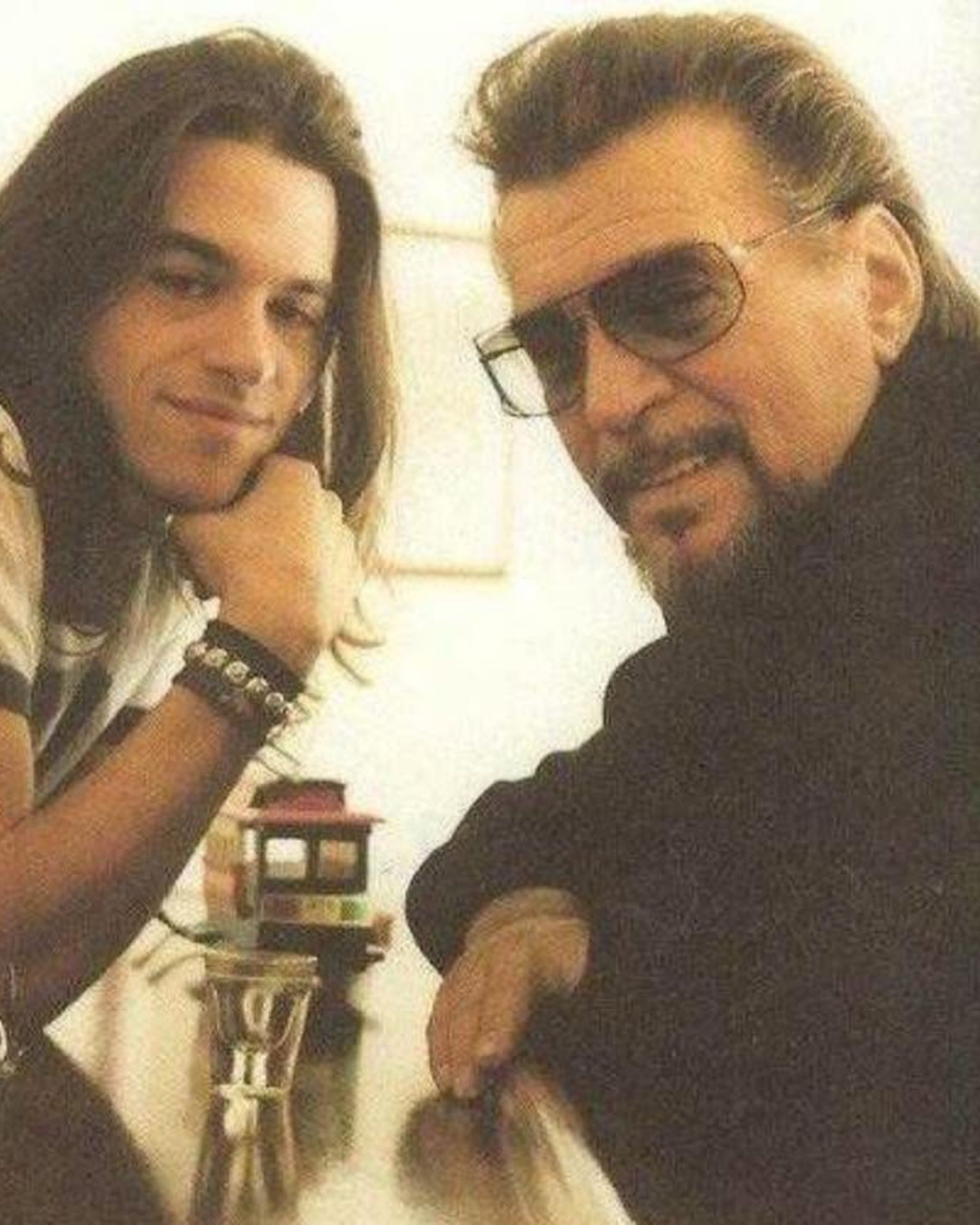
WAYLON JENNINGS, SHOOTER, AND THE WORK OF STARTING AGAIN
A Father’s Unfinished Education
Waylon’s explanation for returning to his studies was unusually direct. He disliked telling Shooter to value something while leaving his own failure to finish untouched.
His fame offered plenty of material for an argument that school had been unnecessary. Waylon declined to make that argument. Looking back, he regarded leaving as a mistake, even after music had given him a living far beyond anything his younger self could have expected.
Passing the examination would not revise that early decision. It would give him a way to act on what he now believed. Phoenix New Times interview
Lessons That Could Travel
KET’s study-at-home approach made education available outside a conventional classroom. The broadcaster had launched its second-generation GED series and home-study initiative in 1985. For an adult whose working life involved travel, recorded instruction offered a practical route back. KET’s institutional history
Waylon studied aboard the bus. The account leaves no elaborate scene of a midnight revelation, only the ordinary machinery of catching up: lessons, material to understand, and an examination still to pass.
A Bus Was Familiar Ground
For Shooter, the road had been part of family life long before homework entered the picture. He later remembered traveling with his parents before he started school, then joining them during summers.
He remembered sleeping on the bus and hearing the shows. Concerts were so closely associated with childhood bedtime that, as an adult, he joked about becoming sleepy at performances.
That background makes the educational episode less like an unlikely meeting between a celebrity and a child. This was their family’s working environment. Within it, the younger Jennings briefly knew more about the problem in front of them. Shooter’s interview, Country Music Dads
What Success Had Taken
In his 1993 interview, Waylon acknowledged mistakes with his older children. He connected them to the years spent pursuing work and success.
There was no claim that being more involved with Shooter settled those earlier accounts. His admission allowed both realities to remain: children whose growing-up years he had missed, and a younger son with whom he was trying to behave differently.
The GED belongs within that effort. It required him to be present as someone still learning, rather than someone whose experience automatically supplied every answer. Deseret News
Listening to a Small Boy
Fatherhood was also entering his writing. The children’s album Cowboys, Sisters, Rascals & Dirt included material shaped by Shooter’s experiences.
One story drew partly on the boy having been the smallest child at school. 1993 interview, Los Angeles Times
That is a different scale of attention from watching a child grow taller between tours. It involves noticing what being small feels like while the child is still living through it.
What Waylon’s Second Education Really Leaves Behind
The most revealing part of the GED story happens before the result.
A father had something he wanted his son to learn about responsibility. To follow his own advice, he had to accept instruction from that same boy.
May you like


The certificate recorded an examination passed. Their work together had already given Shooter another experience of his father: capable of being wrong, willing to begin again, and willing to let his child help.
Video